

As a seasoned supplier of block board plywood, I often encounter customers who are confused about distinguishing between imported and domestic block board plywood. In this blog, I'll share some practical tips to help you make a clear - cut decision.
1. Appearance and Aesthetics
Grain Patterns
One of the first things you can observe is the grain pattern of the plywood. Domestic block board plywood, especially those made from locally sourced wood like poplar in many regions of China, often have a relatively more uniform and familiar grain pattern. The growth environment of domestic trees, with its specific climate and soil conditions, results in a characteristic look. For instance, poplar used in domestic block board has a fine - grained texture that is consistent across large batches.
On the other hand, imported block board plywood, say from North America or Europe, may feature more distinct and sometimes irregular grain patterns. Woods like oak or maple from these regions grow in different ecological settings, which can lead to unique grain formations. The grain might be wider, more pronounced, or have a more random flow, adding a touch of natural elegance to the plywood.
Color and Finish
Color can also be a giveaway. Domestic block board plywood usually has a color that is in tune with the native wood species. For example, if it's made from pine, it will have a light - yellowish to pale - brown color that is typical of domestic pine. The finish of domestic products can range from a simple matte finish for more budget - friendly options to a high - gloss finish for premium products.
Imported block board plywood may have different color tones due to the different wood species used. Some European oak plywoods, for example, have a rich, warm brown color that is quite distinct from domestic alternatives. The finish on imported plywood is often of high quality, with advanced coating techniques that give it a smooth, durable, and sometimes even a luxurious look. You can check out the Add PET Normal Size Block Board on our website, where you can see the color and finish details of our products.

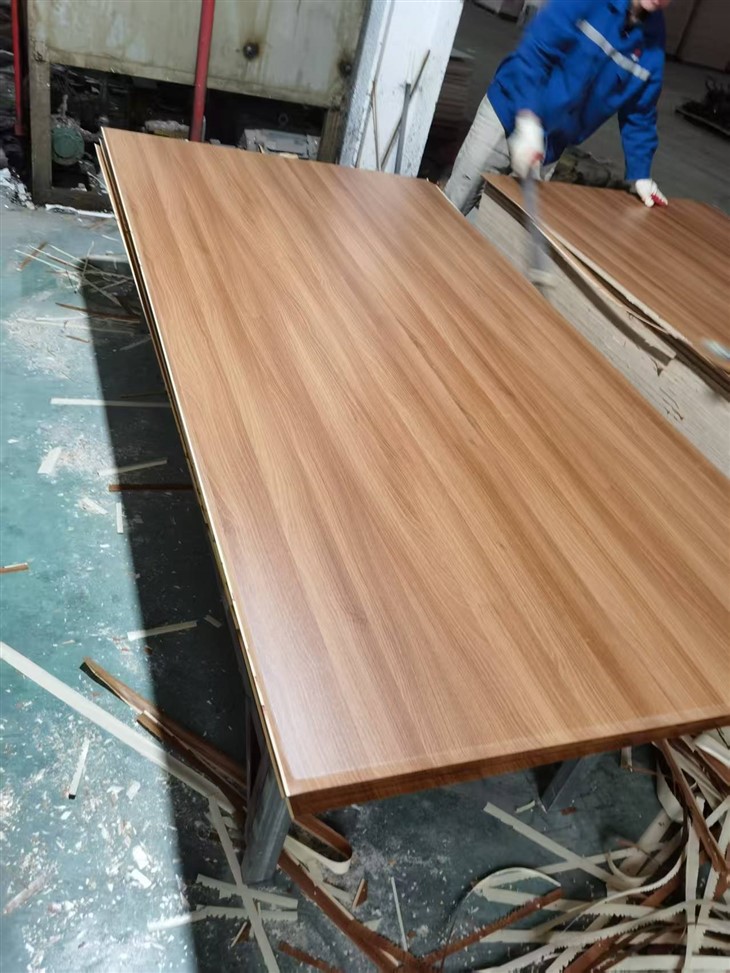
2. Quality and Durability
Wood Density
Wood density is a crucial factor in determining the quality and durability of block board plywood. Domestic block board plywood made from fast - growing trees may have a relatively lower density. While this can make the plywood lighter and easier to handle, it may also result in lower durability in high - stress applications. For example, domestic poplar plywood might be suitable for interior decoration where the load - bearing requirements are not extremely high.
Imported block board plywood, often sourced from slow - growing trees, generally has a higher density. Woods from regions with long growing seasons, such as some South American or African species, are known for their high density. This high density makes the plywood more resistant to wear and tear, and it can better withstand heavy use, making it ideal for furniture that will be subject to a lot of stress, like dining tables or wardrobes. Our Solid Color Paper Furniture Block Board showcases different levels of wood density and their impact on the product's performance.
Glue Quality
The glue used in the manufacturing process is another key aspect. Domestic block board plywood manufacturers often use glues that meet national standards. These glues are cost - effective and suitable for a wide range of applications. However, in some cases, the quality of the glue may vary depending on the production scale and quality control of the manufacturer.
Imported block board plywood usually adheres to strict international standards for glue use. The glues used are often of high - quality, with better bonding strength and lower formaldehyde emissions. This is especially important for applications in indoor environments where air quality is a concern. High - quality glue also ensures the long - term stability of the plywood, reducing the risk of delamination over time.
3. Price and Cost - effectiveness
Pricing Factors
Domestic block board plywood is generally more affordable due to lower production costs. The cost of raw materials, labor, and transportation within the country is relatively lower compared to imported products. This makes domestic plywood a popular choice for budget - conscious customers, especially for large - scale construction projects or DIY home improvement tasks where cost is a major consideration.
Imported block board plywood, however, comes with a higher price tag. The cost of importing, including shipping, customs duties, and compliance with international trade regulations, adds to the overall cost. But it also offers certain advantages in terms of quality, unique aesthetics, and sometimes better environmental credentials.
Cost - effectiveness
When it comes to cost - effectiveness, it depends on your specific needs. If you are working on a short - term project or a project with low - stress requirements, domestic block board plywood may be the most cost - effective option. You can get a good - quality product at a reasonable price.
For long - term investments, such as high - end furniture or commercial spaces where the appearance and durability are of utmost importance, imported block board plywood can be a more cost - effective choice in the long run. Despite the higher upfront cost, its better quality and longer lifespan can save you money on replacement and maintenance in the future. You might want to explore our Poplar Sandwich Block Board to understand the cost - effectiveness of different types of block board plywood.
4. Certification and Standards
Domestic Standards
Domestic block board plywood is subject to national quality standards. In China, for example, there are strict regulations regarding formaldehyde emissions, wood quality, and manufacturing processes. Products that meet these standards are usually labeled with relevant certifications, which can give you an assurance of the basic quality of the plywood.
International Standards
Imported block board plywood often complies with international standards such as European EN standards or American ASTM standards. These standards are generally more comprehensive and strict in terms of environmental protection, product performance, and safety. Plywood with these international certifications can be a good choice if you have specific requirements for environmental friendliness or high - end product performance.
5. Supplier Reputation
Domestic Suppliers
Domestic suppliers of block board plywood are numerous, and their reputation can vary widely. Some well - established domestic suppliers have a long - standing track record of providing high - quality products and excellent customer service. You can check online reviews, industry forums, and ask for references from other customers to evaluate the reputation of a domestic supplier.
Imported Suppliers
Imported suppliers also have different reputations. Some are known for their premium products and high - end craftsmanship. However, dealing with imported suppliers may involve more complex logistics and communication issues. It's important to do thorough research on the supplier's background, including their production capacity, quality control measures, and after - sales service.
In conclusion, distinguishing between imported and domestic block board plywood requires a comprehensive assessment of appearance, quality, price, certification, and supplier reputation. Each type has its own advantages and disadvantages, and the choice depends on your specific needs and budget.
If you are interested in purchasing block board plywood and need more detailed information or want to discuss your specific requirements, feel free to reach out. We are here to assist you in making the best choice for your project.
References
- Wood Handbook: Wood as an Engineering Material, Forest Products Laboratory
- International Wood Products Association Publications


